
Deploy the World's Best Robots.
Seamlessly.
Zag Robotics is the premier independent systems integrator. We partner with elite global hardware platforms to scale automation, secure operations, and maximize enterprise efficiency across every industry.
Our Integration Expertise
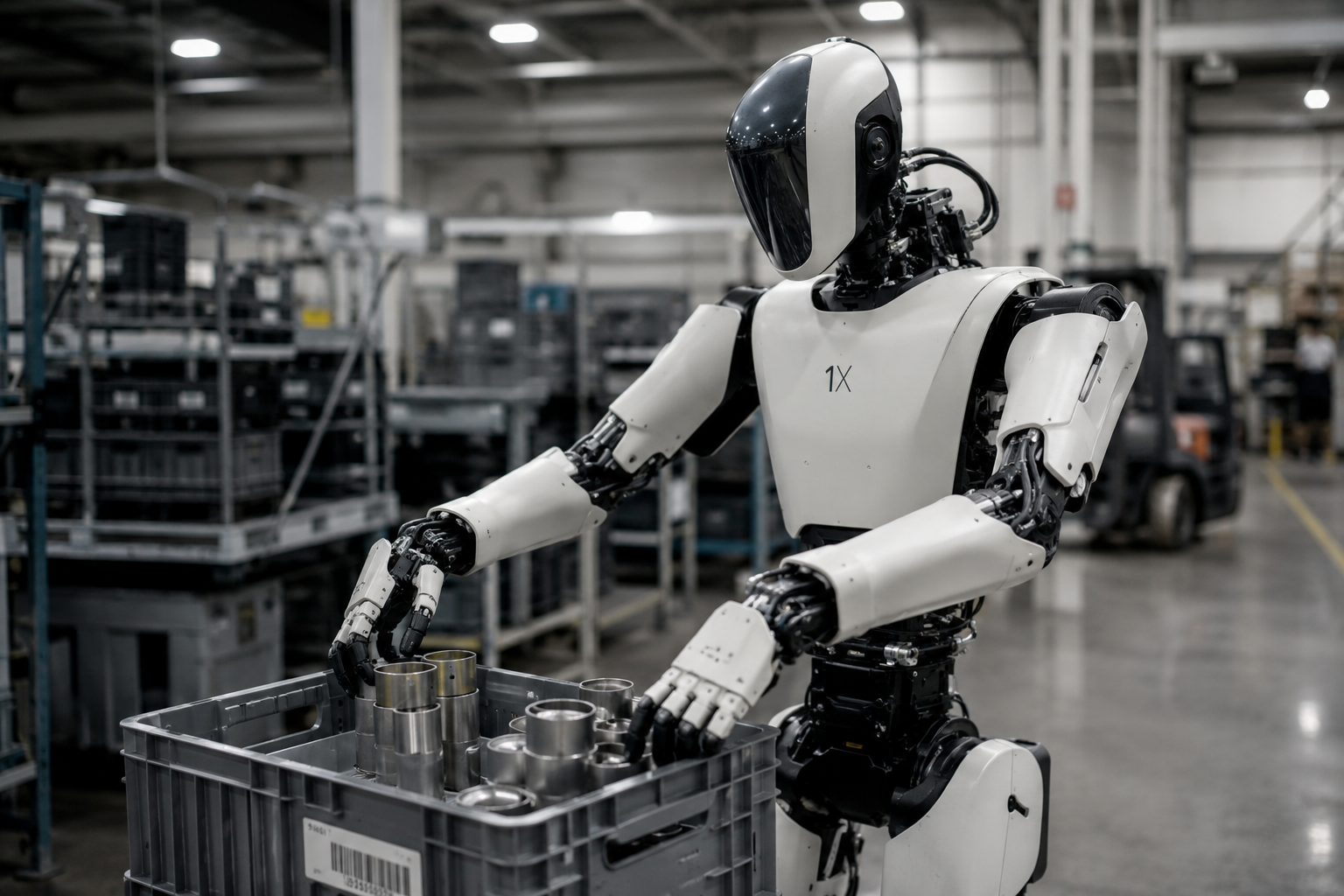
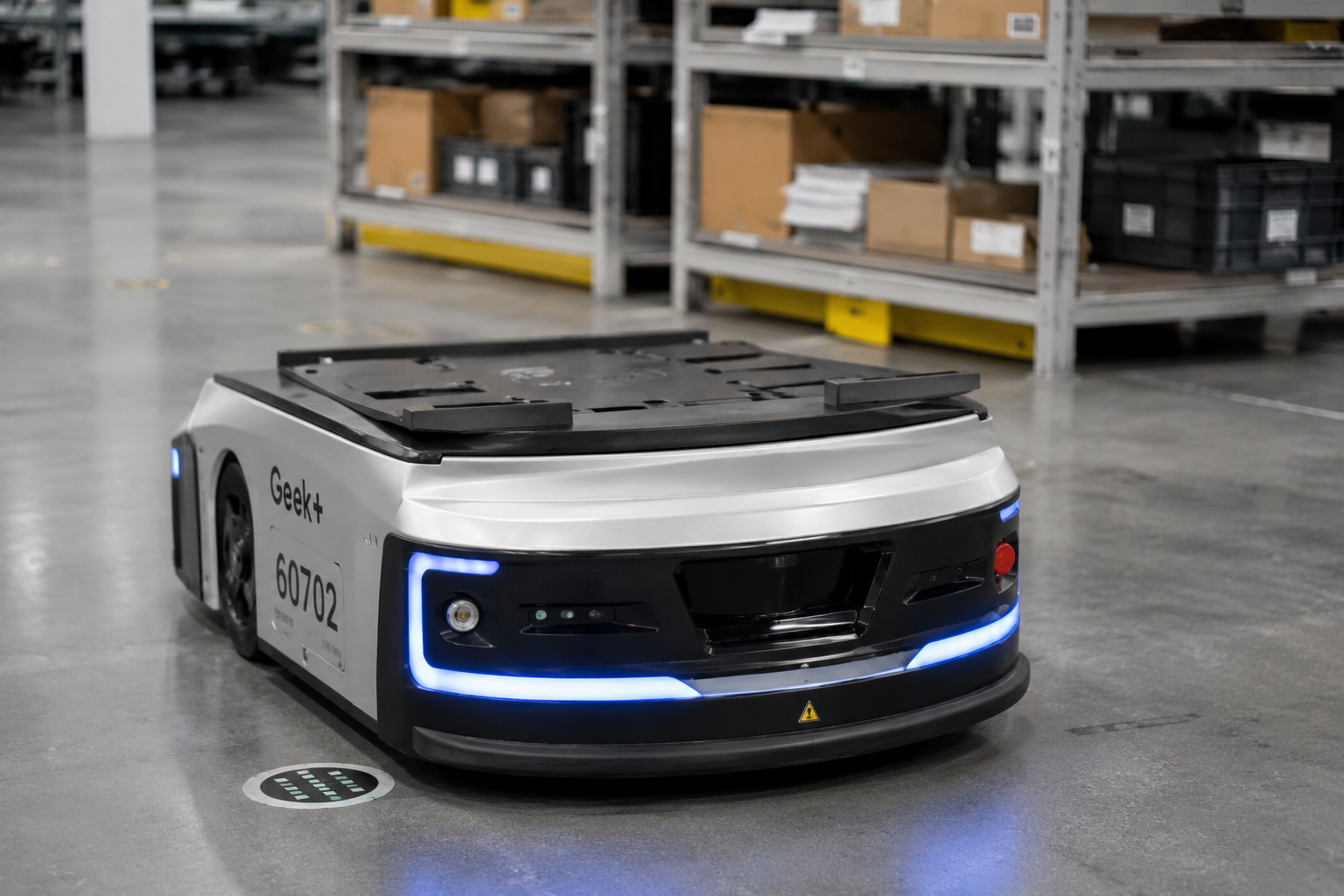
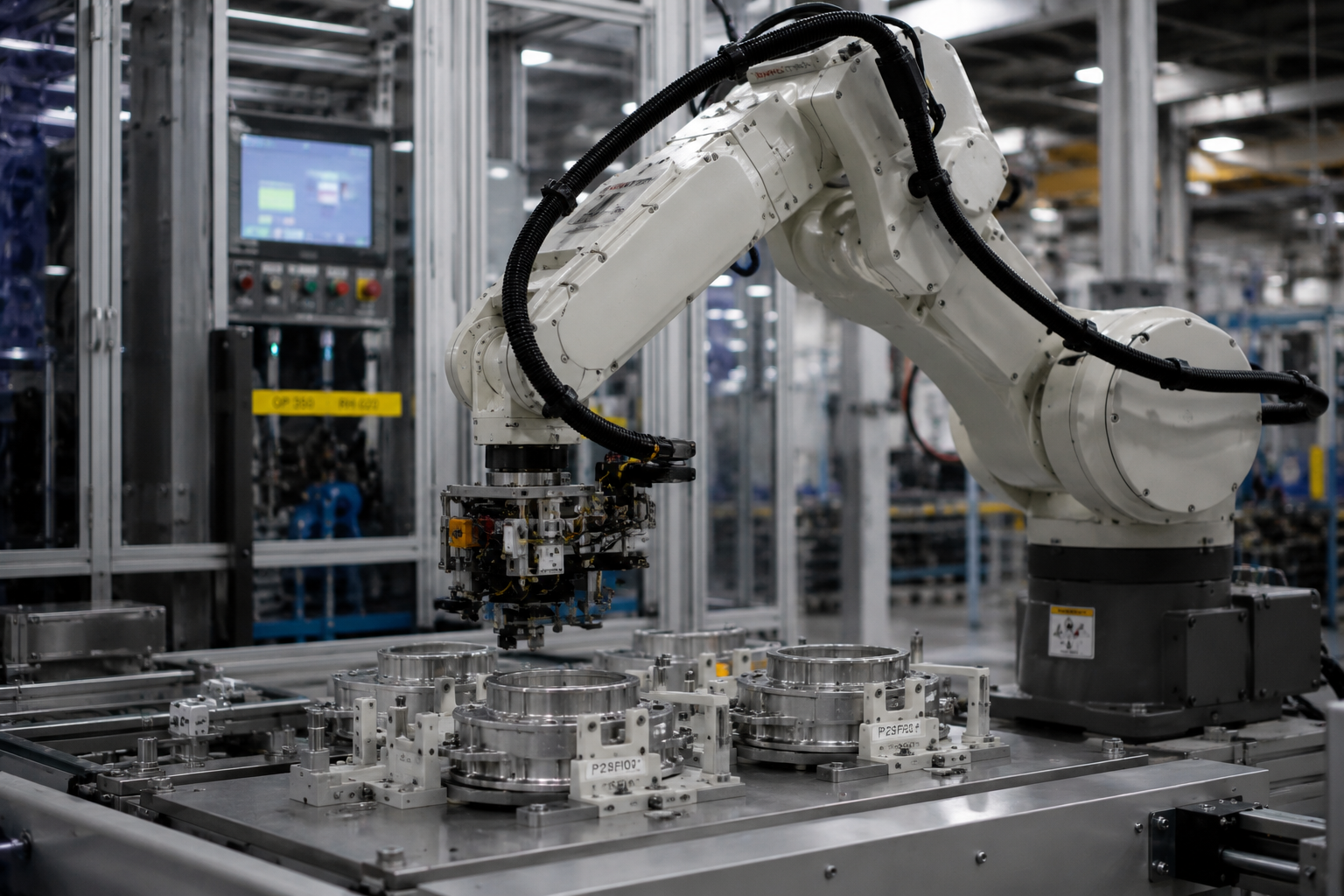
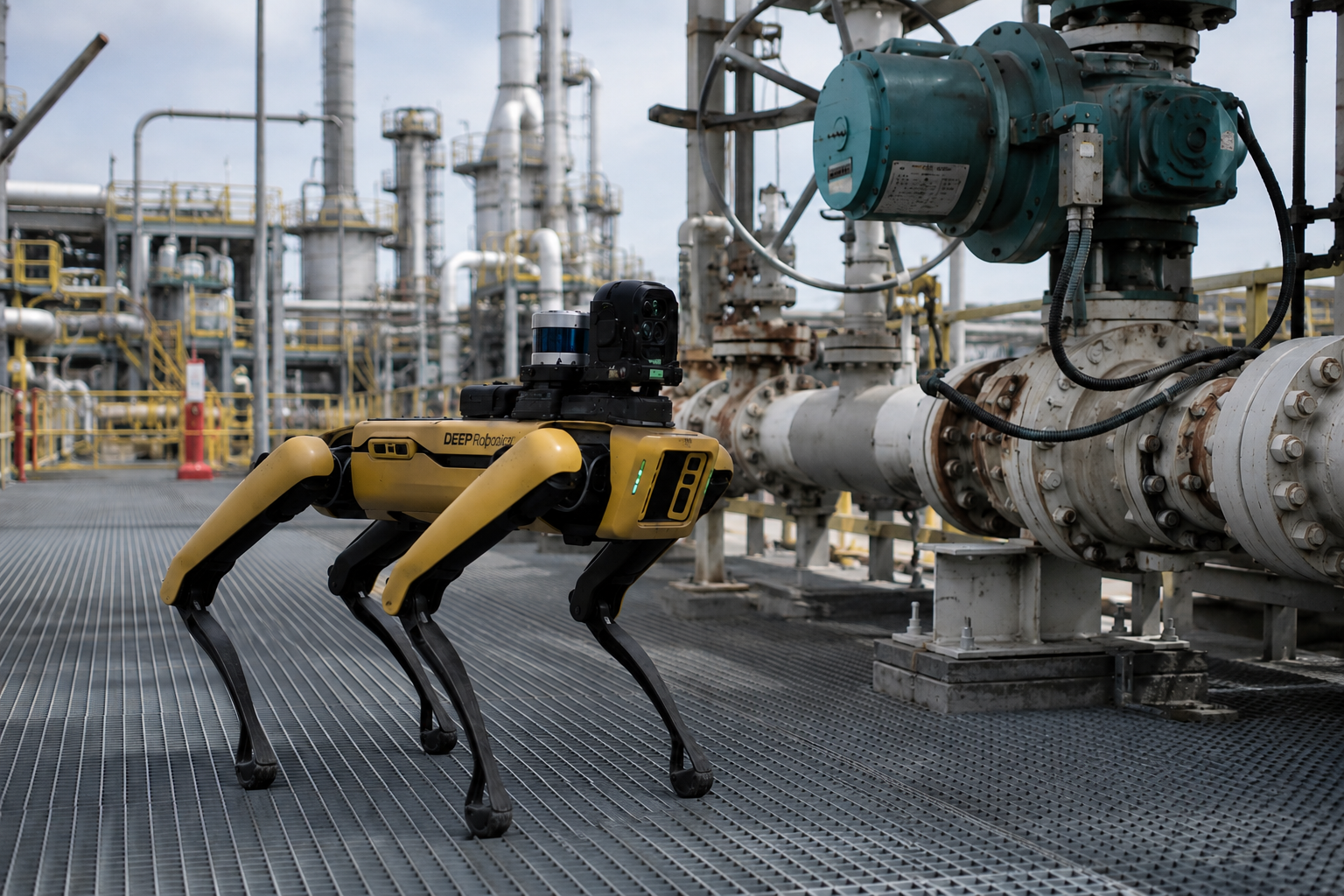
We map operations, configure optimal payloads, build end-effectors, and deploy complete systems.
The Zag Advantage
We're not a robot manufacturer — we're the integration layer that makes robotics actually work in your facility.
Vendor-Agnostic
We partner with 40+ robot manufacturers globally. Our recommendations are always based on what's best for your specific process — not sales quotas.
End-to-End Integration
From process mapping and hardware selection to custom end-effectors, AI systems, and workforce training — we handle the entire deployment lifecycle.
Quantified ROI
Every engagement starts with a detailed 10-year financial analysis. Our clients see an average payback period of 1.8 years with measurable productivity gains.
Interactive UML Integration Blueprints
Explore our detailed end-to-end integration processes mapped in UML Activity Diagrams. See exactly how we bridge human operations and advanced robotic systems for 13 global industries — complete with hardware specs, AI controls, and granular ROI breakdowns.
Explore Interactive Blueprints →UR10e Cobots + AI Vision
Not sure where to begin?
Our proprietary Robotic Process Advisor helps you analyze business workflows, evaluate physical constraints, map specific human roles, and project exact 10-year ROI reports.
Start Free Analysis →Schedule an Integration Audit
Speak directly with our senior engineering team to discuss your operational challenges. We will map your specific workflows and provide a comprehensive feasibility and ROI analysis.
Strict Confidentiality
All discussions and proprietary process data are protected under a mutual NDA from day one.
Custom ROI Mapping
Receive a detailed 10-year financial breakdown tailored to your facility's exact requirements.
Expert Engineers
Consult with deployment veterans who have successfully integrated systems across global supply chains.